The abstract ideas behind educational standards become truly powerful when they are applied to everyday problems. For many, the journey from understanding a concept to using it effectively can feel daunting. This is where practical tools like Common Core Sheets step in, acting as a bridge that transforms theoretical knowledge into actionable skills for real-world scenarios.
What Foundational Ideas Are We Building On?
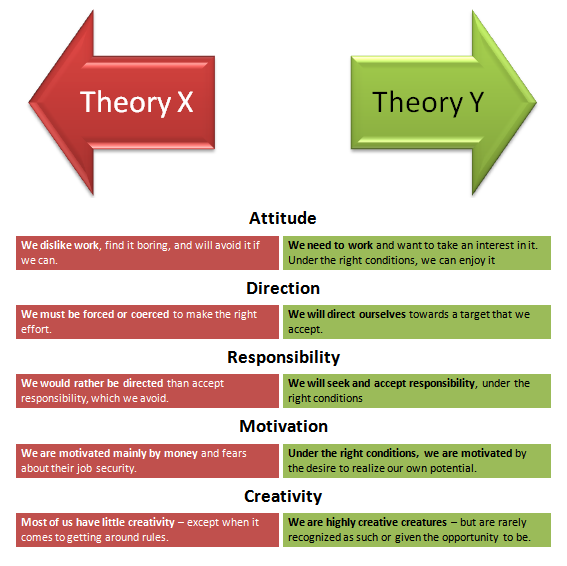
Before diving into practical worksheets, it helps to understand the philosophical "why" behind different approaches to learning and organization. Some frameworks, like Theory X and Theory Y, describe contrasting ways of viewing motivation and structure. Theory X assumes a need for strict control, while Theory Y presumes an inherent drive for achievement and responsibility. Recognizing these underlying mindsets is the first step in choosing the right tools—sheets that either provide rigid templates or flexible frameworks for independent problem-solving.
Why Are Blank Pages Sometimes the Best Starting Point?
A Common Core Sheet isn't just a page with lines; it's a structured yet open landscape for thought. Its design helps organize information in a logical flow, which is essential when tackling anything from planning a budget to outlining a project. The act of filling it out forces clarity. You must move from the vague idea of "saving money" to the specific, itemized line of "weekly grocery budget - $75." This structured capture is the engine of practical application.
How Do You Map a Concept onto a Sheet?
Let’s take a step-by-step discovery path. Imagine you need to convert a complex recipe for a large gathering into one for a smaller dinner party.
- Identify the Core Theory: The underlying concept is proportional scaling—understanding ratios.
- Translate to a Framework: On a sheet, you create columns for "Original Ingredient," "Original Amount," "Scaling Factor," and "New Amount."
- Execute the Practice: You systematically apply the factor to each item, perhaps discovering that a "pinch" of spice needs a more nuanced approach than simple multiplication.
- Reflect and Adapt: The filled sheet becomes a practical guide you can take into the kitchen, ensuring your theory (ratios) successfully becomes practice (a delicious meal for six).
What’s the Broader Impact of This Approach?
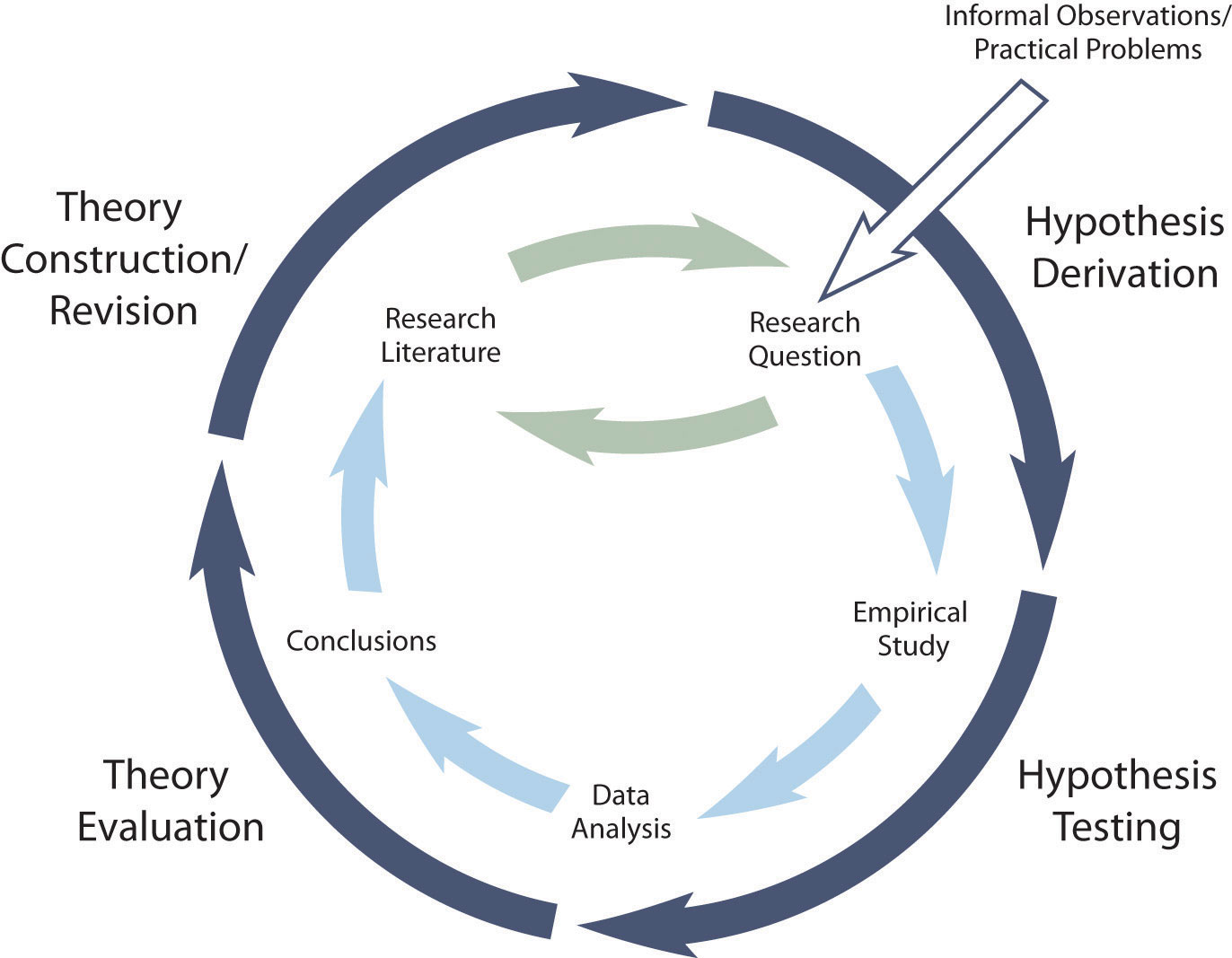
Using sheets as a transitional tool has implications beyond individual tasks. In a business setting, it can standardize how a team moves from brainstorming (theory) to action plans (practice), ensuring no idea falls through the cracks. For a student, it builds metacognitive skills—the ability to think about their own thinking. They learn not just the subject, but a repeatable process for applying knowledge anywhere.
Ultimately, the true value is found in the transition. These sheets serve as the consistent, quiet partner in turning what you know into what you can do. They are the humble yet powerful vehicles that carry insights off the page and into the world.
.: Call For Papers: The Contribution Of Critical Theory In
.: Call for Papers: The Contribution of Critical Theory in ...
Qualitative Designs – Hopscotch
Qualitative Designs – Hopscotch
Survey Of Communication Study/Chapter 5 - Communication Theory

Survey of Communication Study/Chapter 5 - Communication Theory ...
Theory In Psychology
Theory in Psychology